Homepage

George M. Davison
Architect of Innovation
Inventing the Idea. Making it Real. Storytelling its Impact.
For over 40 years, George Davison has built a vertically integrated ecosystem designed to turn visionary concepts into tangible realities. This is a proven, synergistic model for scalable innovation, where each component amplifies the value of the whole. This ecosystem is not a portfolio of disparate companies but a deliberately constructed pipeline that provides unparalleled control over the innovation lifecycle, significantly de-risking the process from ideation to market launch. This strategic foresight and operational control minimize external dependencies and maximize efficiency, creating a sustainable, defensible business model.
The Three Pillars of the Innovation Ecosystem
This ecosystem is built on three guiding principles, a philosophy that transforms the unpredictable nature of creativity into a disciplined, repeatable, and scalable process.
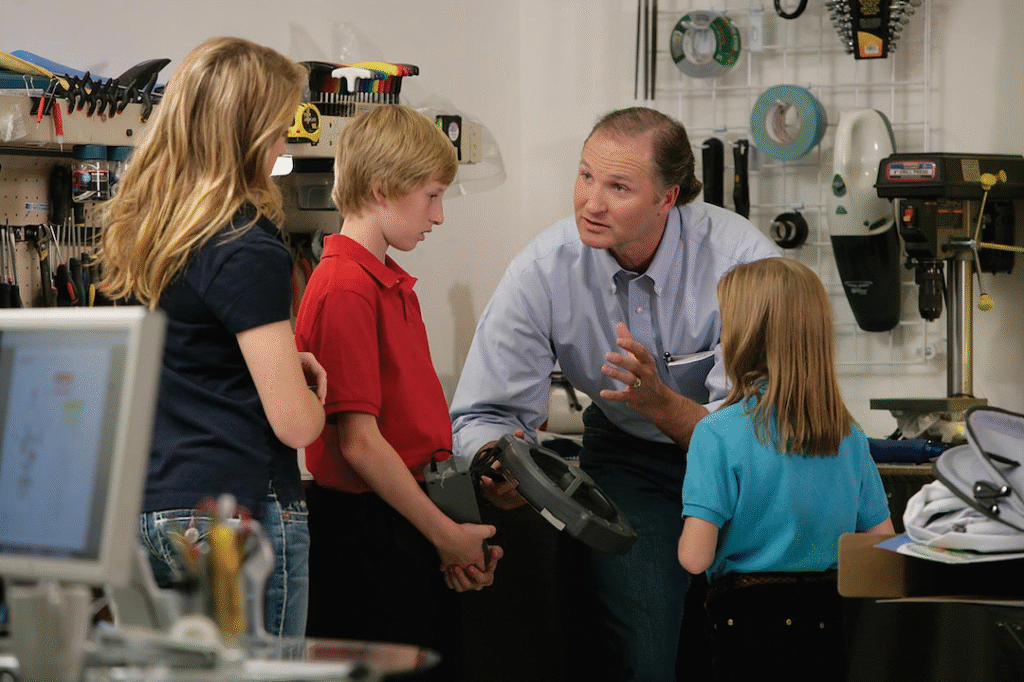
Inventing
The art and science of ideation, codified into a repeatable system and scaled through next-generation education. It is a framework for transforming a fleeting thought into a structured, defensible concept.
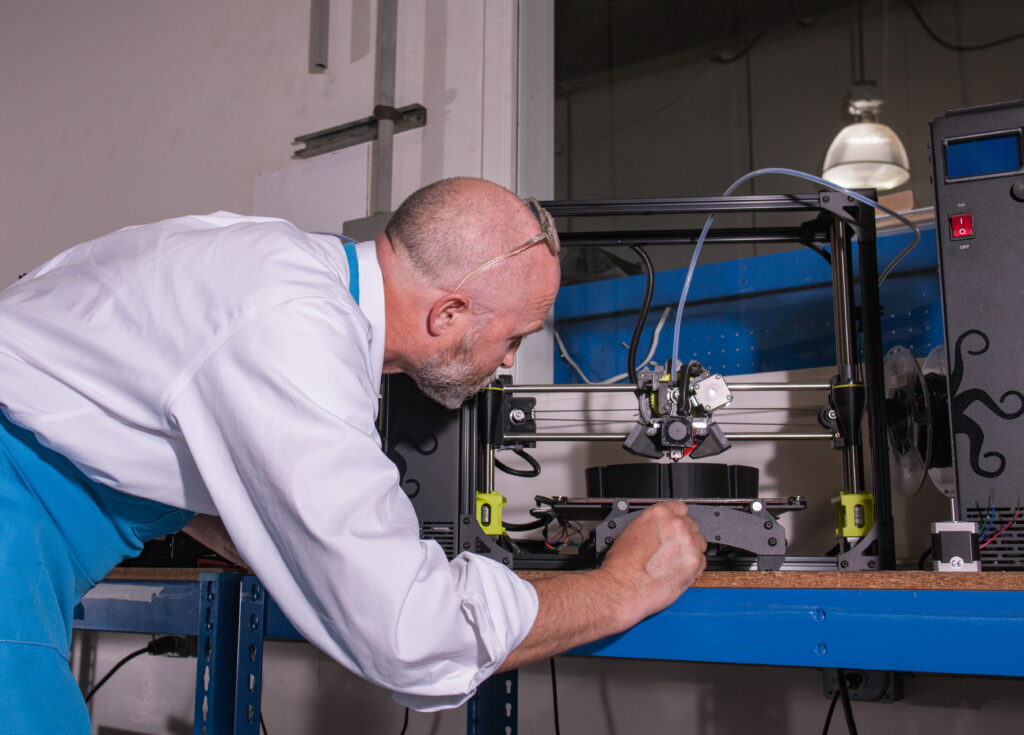
Making
The infrastructure that transforms blueprints into products. This pillar encompasses world-class prototyping, strategic manufacturing, immersive creative environments, and the commercial channels to bring ideas to the world.
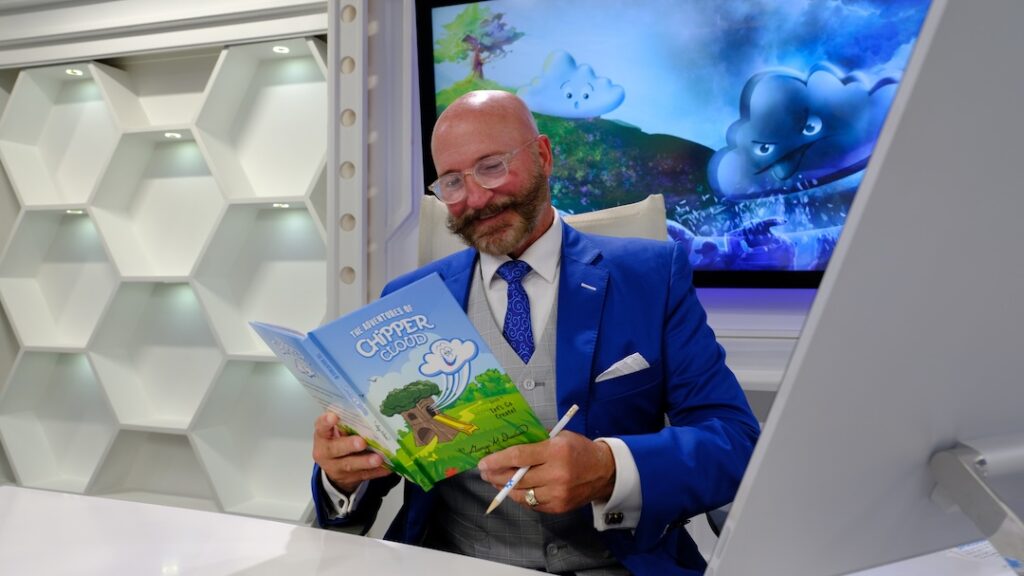
Storytelling
The power to own the narrative. Through global media platforms, the ecosystem’s stories inspire, educate, and shape the future of technology and sustainability, creating a continuous feedback loop of knowledge and engagement.
The Ecosystem at a Glance: A Synergistic Model
The Davison ecosystem is a powerful, self-reinforcing cycle. An idea born in an Inventionland Education® classroom is refined using the Davison® Inventing Method. It is then brought to life as a physical prototype at Inventionland®. Through strategic acquisitions, it finds a direct path to manufacturing and retail markets. Flying Cork Media® and George Davison Studios craft their narrative, which is then broadcast globally on platforms like the Emmy-nominated television series Tomorrow’s World Today®. The insights and successes from this entire process are then channeled back into the educational curriculum, creating a living library of case studies that inspires the next wave of innovation.
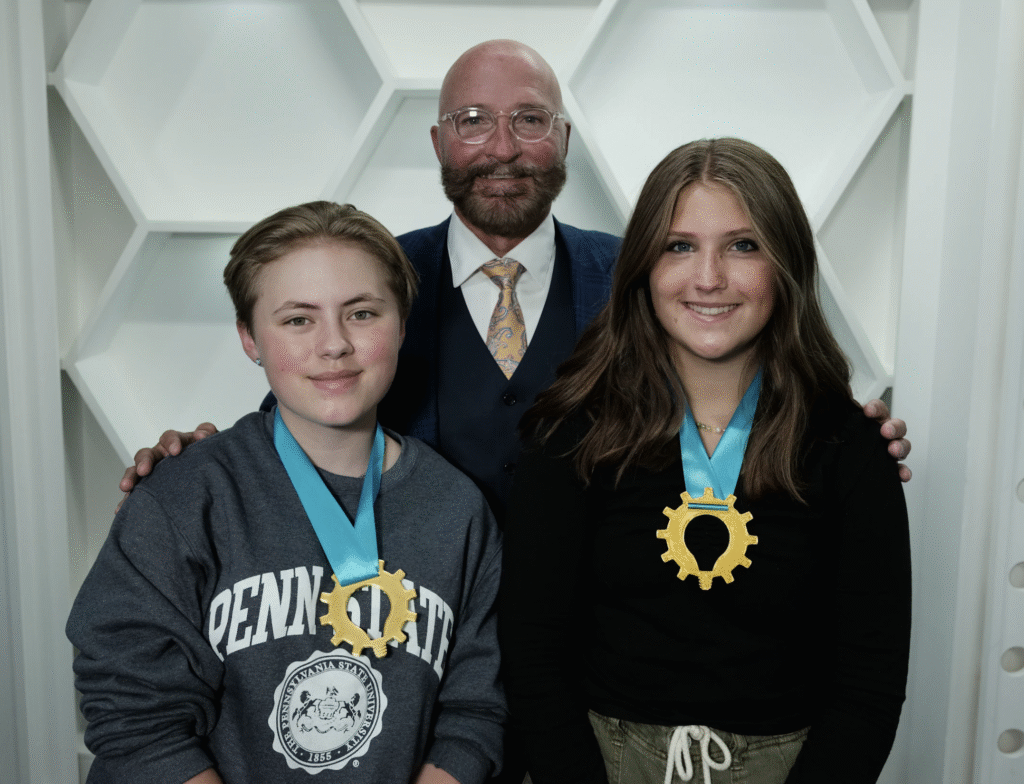
Featured Impact: From Classroom to Consumer
The Davison model is not theoretical; it produces tangible results. A middle school project, born from the Inventionland Education curriculum, became a globally licensed product. This is the ecosystem in action: empowering the next generation with the tools to innovate and providing the infrastructure to bring their ideas to the world.
The “No Cry™ Hair Tie,” developed by students Mia Mertz and Madison Mulato, won regional contests and secured a licensing deal with Jokari. Their journey from a classroom brainstorming session to a product available on Amazon exemplifies the power of a vertically integrated system that nurtures an idea from its earliest stage to its successful market launch.